Articles

What is a TNC Connector? Differences from BNC Advantages, Applications and Usage Explained
26-05-15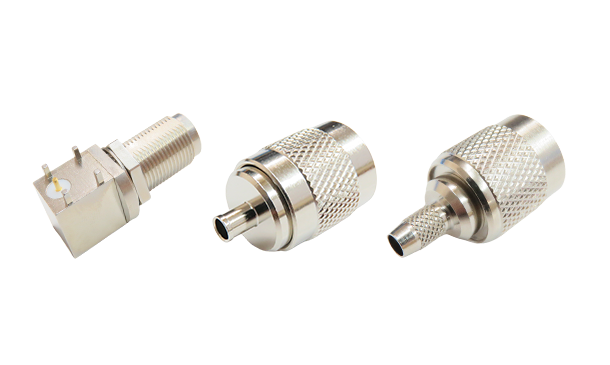
The choice of connectors directly impacts overall signal quality and system stability in microwave and radio frequency systems. We often face challenges such as environmental vibration and signal reflection (VSWR) when developing precision instruments or outdoor communication base stations. The TNC connector was specifically designed to address these issues. As a high performance connector compliant with the MIL-STD-348 international standard, it serves as an advanced thread-locking version of the BNC connector. While maintaining excellent cost effectiveness, the TNC connector offers more precise 50Ω impedance control with a higher frequency limit as well as superior vibration resistance. This article will provide an in-depth analysis of its structural characteristics, differences from BNC, and practical applications in the military and aerospace sectors.
What is a TNC Connector? What are its advantages?
The TNC connector is an upgraded and evolved version of the BNC connector. The most significant improvement lies in replacing the original BNC’s “latch-release” design with a “threaded coupling” structure. This structural change not only enhances the stability of the physical connection but also significantly optimizes the TNC connector’s high frequency performance.Core Specifications of the TNC Connector
- Impedance: Available in two specifications: 50Ω (mainstream communication/testing) and 75Ω
- Frequency Range: The standard model reliably supports frequencies up to 11 GHz (a significant improvement over the 4 GHz of BNC)
- Connection Method: The TNC connector uses a 7/16-28 threaded locking mechanism, providing stronger mechanical shock resistance and sealing performance than quick-release connectors.
Key Advantages of TNC Connectors
- Exceptional vibration resistance: Once the threads are locked, the connector is fully secured, preventing signal interruptions caused by severe vibrations such as in automotive, aerospace, and industrial environments. TNC connectors are the preferred choice for dynamic operating environments.
- Excellent high frequency performance: The threaded structure ensures more stable ground contact, resulting in lower VSWR and lower insertion loss in the high frequency range.
- Excellent water resistance: Due to the high tightness of the TNC connector’s threaded interface, it is highly compatible with O-ring (sealing ring) designs, achieving excellent IP67/IP68 water and dust resistance ratings, making it suitable for harsh outdoor environments.
Differences between TNC and BNC Connectors
Although TNC connectors and BNC connectors are very similar in interface size, their different locking mechanisms determine their completely different application scenarios. The following is a detailed comparison of both.|
Feature |
BNC Connector |
TNC Connector |
|---|---|---|
|
Coupling |
Bayonet | Threaded |
|
Frequency |
DC - 4 GHz | DC - 11 GHz High quality could up to 18 GHz |
|
Vibration |
Standard (May produce noise under high vibration.) | Excellent (Mechanically secured after locking.) |
|
Mounting |
Quick Release (1/4-turn locking) | Requires manual tightening or a torque wrench. |
|
Waterproof |
Poor (Loose connection) | Better (Tight threads facilitate a seal) |
|
Applications |
Oscilloscopes, monitors, indoor testing | Aerospace, military, outdoor base stations |
|
Operating |
Stable environments requiring frequent cable changes. | Harsh, high-vibration environments requiring long-term operation. |
How to Use a TNC Connector?
Although the process of using a TNC connector takes a few seconds longer than a BNC connector, this is precisely the key to ensuring stable operation of the TNC connection. The performance of the TNC connector largely depends on the precision of the installation. Proper locking not only prevents physical loosening but also ensures signal integrity during high frequency transmission.To maximize the benefits of the TNC connector’s threaded design. We recommend following these installation steps.
- Inspection
Center Pin and Center Hole: Check for straightness and ensure there is no bending or damage.
Threads and Interface: Ensure the threads are clean and free of metal shavings or dust to prevent cross-threading, which can cause permanent damage to the connector.
- Mating the Connectors
- Alignment and Contact: Align the center pin of the TNC connector plug precisely with the jack opening, then gently push it until it makes initial contact.
- Rotate to Lock: Rotate the external threaded sleeve clockwise to lock it in place.
- Key Point: Be sure to “align before rotating.” If you feel unusual resistance while rotating the TNC Connector, stop immediately and realign it to avoid cross-threading, which can cause permanent damage to the threads.
- Tightening
- Hand-Tightening: Rotate the knurled outer shell of the TNC connector clockwise. High quality TNC connectors feature precision machined threads and should rotate smoothly.
- Checking Tightness: Rotate until you feel significant resistance. In typical indoor testing environments or laboratory R&D, hand-tightening provides sufficient electrical stability.
- Advanced Tightening (Use of a Torque Wrench)
Professional Operation: Use a dedicated torque wrench to tighten the TNC connector. This not only ensures that the ground contact achieves optimal pressure but also prevents deformation of the internal dielectric material caused by over-torque, which could affect impedance.
- Torque Recommendations: For professional RF applications, the standard torque value for TNC connectors is recommended to be between 0.45 and 0.68 N·m.
- Benefits of Proper Tightening: Ensures extremely stable electrical contact, effectively reduces signal reflection (VSWR), and provides reliable mechanical support in extreme environments.
Practical Applications and Advanced Techniques of TNC Connector
In addition to proper tightening, understanding the following details for different operating environments will help ensure long-lasting and stable performance of TNC connectors.- Signal Optimization for High Frequency Applications (RF Microwave Systems)
- Ensure a Perfect Seal: After tightening the TNC connector threads, verify that the mating surfaces of the male and female connectors are in perfect contact. Even the slightest looseness can cause phase shift, which may affect the accuracy of precision measurement or synchronization systems.
- Keep Contact Surfaces Clean: Regularly inspect the center pin and interface to ensure they are free of dust, oil, or oxidation. In practice, it is recommended to gently wipe them with an alcohol swab. Maintaining good cleanliness effectively reduces contact resistance.
- Protection Strategies for Outdoor and Harsh Environments
- Enhance Water and Dust Resistance: Before installing the TNC connector, verify that it meets the required IP rating (e.g., IP67). Additionally, inspect the internal O-ring seal to ensure it is intact and free of cracks. If signs of aging are detected, replace it immediately.
- Proactive Corrosion Prevention: In extremely cold and damp, high-humidity, or coastal salt-fog environments, relying solely on the threads is insufficient. It is recommended to apply heat shrink tubing or waterproof tape (Butyl Tape) for secondary sealing after tightening the TNC connector to completely prevent moisture ingress and avoid signal attenuation during long-term operation.
Applications of TNC Connectors
Due to the TNC connector’s durable and stable physical properties, it has become the interface of choice in fields with extremely high demands for safety and uninterrupted connectivity.- Antenna Systems and Wireless Reception
Key equipment: GPS/GNSS antennas, outdoor RF connections for 4G/5G mobile communication base stations, and wireless network receivers.
- Core Communication Equipment
Key equipment: 4G/5G small cells, microwave communication systems, high-performance wireless communication modules.
- Radar and Satellite Navigation
Key equipment: shipboard navigation radar, ground satellite receiving stations (SATCOM), advanced driver-assistance system (ADAS) automotive radar, and meteorological observation radar.
- Avionics
Key equipment: Aircraft navigation systems, airborne communication systems, and black box (FDR/CVR) signal lines.
- Military Communications and National Defense
Key equipment: Military encrypted radios, armored vehicle communication systems, and unmanned aerial vehicle (UAV) telemetry links.
Frequently Asked Questions of TNC Connector
Q1: Can TNC connectors be directly interchanged with BNC connectors?Answer: No.
Reason: Although the interface dimensions and dielectric structures of both are similar (both comply with MIL-STD-348 specifications), their physical locking mechanisms are completely different. BNC connectors use a bayonet push-in design, while TNC connectors use a threaded locking design. Forcing a connection may damage the TNC connector’s threads or cause contact damage. If an adapter is required, be sure to use a professional adapter.
Q2: What is an RP-TNC connector?
Technical Explanation: RP stands for “Reverse Polarity.” This is a special design in which the center pin and the socket are “gender-reversed.”
Applications: Most commonly found in commercial Wi-Fi routers and antennas.
Design Purpose: Originally developed to comply with specific telecommunications regulations (such as FCC standards), this design prevents users from arbitrarily connecting non-original high-gain antennas by altering the polarity of the TNC connector. It has since become a common standard for wireless communication equipment.
Q3: How can you distinguish between 50Ω and 75Ω TNC connectors?
Identification Method: The most intuitive method is to observe the shape and thickness of the dielectric inside the TNC connector, or to check the markings on the connector body.
Importance: Although the two look extremely similar, they must never be used interchangeably. Mixing them will cause impedance mismatch in the TNC connector, resulting in severe signal reflection and poor return loss. It is recommended to consult the manufacturer’s technical data sheet before installing a TNC connector.
Conclusion
As a highly reliable RF connector, the TNC connector offers excellent high frequency performance, vibration resistance, and waterproofing, making it suitable for harsh environments. With its mechanical and electrical stability, the TNC connector plays a vital role in modern high frequency applications and demanding environments. Its threaded coupling mechanism not only enhances mechanical stability but also ensures consistent signal quality during transmission, making it the preferred choice for many critical systems. If your application involves high frequencies, high vibration, or outdoor environments, the TNC connector is virtually indispensable. We highly recommend it.Huang Liang Technologies has been deeply involved in the RF and microwave field for many years. With a comprehensive product line and customization capabilities, we are one of the few professional manufacturers in Taiwan capable of providing high frequency, high precision connection solutions. Whether you are a system developer, equipment manufacturer, or a business with high demands for RF applications, please feel free to contact us if you would like to learn more about product specifications and application recommendations. We will provide the most professional technical support and service advice.